What It Actually Looks Like to Grow From Employee #10 to COO
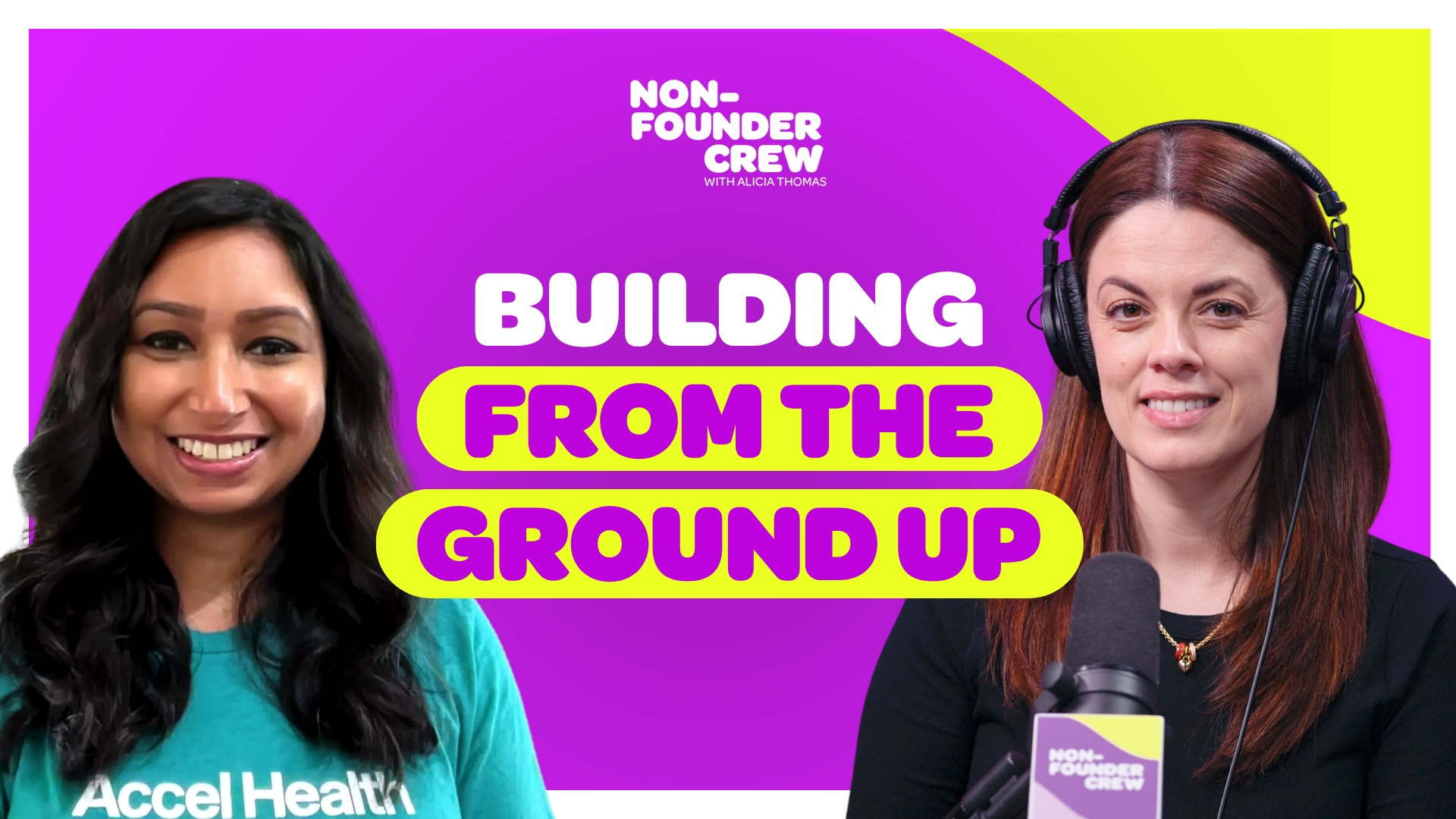
Most career advice assumes there’s a clear path. You do your job, you get promoted, you move up.
That’s not what happened for Chathri Ali.
She joined Recharge as employee #10, before funding, before structure, before anyone really knew what the company would become. She was hired into marketing. Four months in, the CEO asked if she could jump on sales calls because they were overwhelmed.
She said yes.
That pattern repeated itself over and over. Marketing to sales, sales to growth, growth to overseeing multiple functions. There was no roadmap. Just trust, proximity to problems, and a willingness to figure things out after raising her hand.
That’s eventually what led her to COO.
Saying yes is easy. Knowing what you’re saying yes to isn’t.
One thing Chathri was very honest about is that early on, you don’t actually know what you’re stepping into. And neither does anyone else.
Everything was a first. First time running campaigns. First time hiring. First time making bets with real money on the line.
At one point, they were deciding whether to spend on an event. They didn’t have the budget, so they split the cost with partners just to test it. It worked. That became the playbook.
A lot of her growth came from moments like that. Not big strategic moves. Just small, scrappy decisions that compounded.
Becoming indispensable has less to do with your role than you think
It wasn’t because she stayed in her lane and got really good at one function. It was because she kept stepping outside of it. Sitting in on things that had nothing to do with her job. Learning how engineering prioritized work. Understanding how customer success handled tickets.
Over time, she became someone who had context across the business. And that’s what made her valuable in decision-making, not just execution.
That’s a very different definition of “doing your job well.”
Nobody knows what they’re doing. Including you.
Early on, she had a lot of imposter syndrome. Especially once the company started scaling and the stakes got higher. But looking back, her advice to herself would’ve been simple: have less of it.
Because the reality is, no one around her had done this before either.
The company was growing, the expectations were changing, and everyone was figuring it out in real time. The difference is some people internalize that, and some people let it hold them back.
There’s a point where growth changes
After five and a half years, Recharge hit a $2.1B valuation. By most standards, that’s a moment to stay.
But Chathri started asking herself a different question.
Am I still building?
She had already gone from zero to one. Built the go-to-market engine. Put the right leaders in place. The company didn’t need that version of her anymore.
And she realized she didn’t want the next version of the role.
That’s what led her to leave, go to Klaviyo, and eventually decide she was ready to be a founder.
Not because she was done growing. But because she understood what kind of growth she actually wanted.
The takeaway
What I took from Chathri’s story is this.
The people who grow the most in startups aren’t the ones who follow a path. They’re the ones who stay close to the work, say yes before they feel ready, and pay attention to when things stop feeling like growth.
That last part is the one most people ignore. And it’s probably the most important.
Oh, and one last thing! If you're a podcast person, we get into all of this and more with Chathri Ali on the latest episode of Non-Founder Crew. [link]
Tune in to the entire episode